Technology: encompasses a wide range of disciplines and applications, all aimed at harnessing the principles of science for practical purposes, involves the transformation of theoretical knowledge into tangible outcomes that address real-world challenges, such as solve a particular problem, improve existing solutions, or achieve a goal.
Positive impact:
-
Efficiency and productivity: automating tasks and processes that would be time-consuming or error-prone for humans
-
Simplifies life: improve infrastructure, including roads, bridges, buildings, and utilities, enhancing overall quality of life
-
Access to information/informed society: easy access to vast amount of information, enabling knowledge sharing, education and research
-
Global connectivity: enable seamless communication and connectivity worldwide, promoting cultural exchange and collaboration
-
Medical Breakthroughs: improved diagnostics, treatments, and medical devices, extending and improving lives
-
Specialization of jobs: people achieve potential when they are expert at one job
Negative impact:
-
Job displacement: job loss and disruption in certain industries, causing economic and social challenges
-
Privacy concerns: concerns about data privacy, suvelliance, and unauthorized access to personal information
-
Dependency and addiction: addiction, impacting mental health and social interactions
-
Ethical dilemmas: raises ethical concerns, such as AI decision-making, autonomous vehicles, and bioengineering
-
Health concerns: physical health issues such as eyestrian, sleep disturbances, and posture-related problems
-
Environmental impact: electronic waste and environmental degradation
-
Social isolation: reduced face-to-face interactions
Appropriate technology: refers to solutions, tools, and techniques that are well-suited to the specific socio-economic, cultural, and environmental conditions of a given region or community.
- reflects an approach to technological development characterized by creative and sound engineering
- emphasizes the use of locally available resources, simple designs, and sustainable prices to address local challenges and improve quality of life
- aims to provide practical and effective solutions that are affordable, adaptable and accessible to the people who need them
- do not involve patents, royalties, consultant fees, import duties, shopping changes, or financial wizards; practical plans can be obtained free or at low cost and no further payment is involved
Instances/Roles:
- Construction: natural ventilation, instead of fans and ACs
- Agriculture: compost manures, human and animal resources
- Water Supply: sunlight treatment, ceramic filters, rain water harvesting
- Sanitation: ecological sanitation, wetlands
- Energy generation: micro and pico hydro-power, solar thermal collector
- Transportation: bicycles and tricycles
- Health Care: herbal medicines
- Finance: micro finance, local cooperatives
- Communication and IT: low cost computers, fiber optics
Technology Transfer:
- sharing or exchanging scientific and technical knowledge from one individual or organization to another
- involves the movement of ideas, research findings, and skills between different parties to enable the practical application of knowledge in new contexts
- bridges the gap between research and real-world implementation, facilitating the adoption of new technologies and solutions.
How it happens?
- Consulting
- Graduating students
- Faculty moving
- Collaborative research
- Patenting and licensing
- Service and outreach
- Spin-off companies
In developing countries:
- all exports bear some potential for transmitting technological information, imported capital goods and technological inputs can directly improve productivity by being used in production processes
- multinational enterprises (MNEs) generally transfer technological information to their subsidiaries, some of which may leak into the host economy
- technology licensing involves the purchase of production or distribution rights and the underlying technical information and know-how
Typical steps:
- Knowledge creation
- Disclosure
- Assesment and evaluation
- IP protection
- Fundraising and technology development
- Marketing
- Commercialization
- Product development
- Impact
| Aspect | Appropriate Technology | Indigenous Technology |
|---|---|---|
| Origin and Source | Chosen based on suitability | Developed within a community |
| Adaptability | Emphasizes adaptability | Less adaptable to other contexts |
| Innovation and Development | Open to ongoing innovation | Often remains traditional |
| Ownership and Cultural Significance | Focuses on effectiveness | Integral to cultural identity |
| Examples | Solar-powered water pumps, low-cost medical devices | Traditional agricultural practices, indigenous herbal knowledge |
Importance of energy in achieving Maslow Hierarchy of Needs:
-
Physiological needs: energy in form of nutrition and heat, directly fulfills these needs
-
Safety needs: reliable energy can enhance safety by providing lighting, security systems
-
Love and belonging: enabling communication, transportation and infrastructure
-
Esteem needs; information sharing, showcasing their achievements, and gain recognition
-
Self-actualization: providing opportunities for education, creativity, and pursuing passions
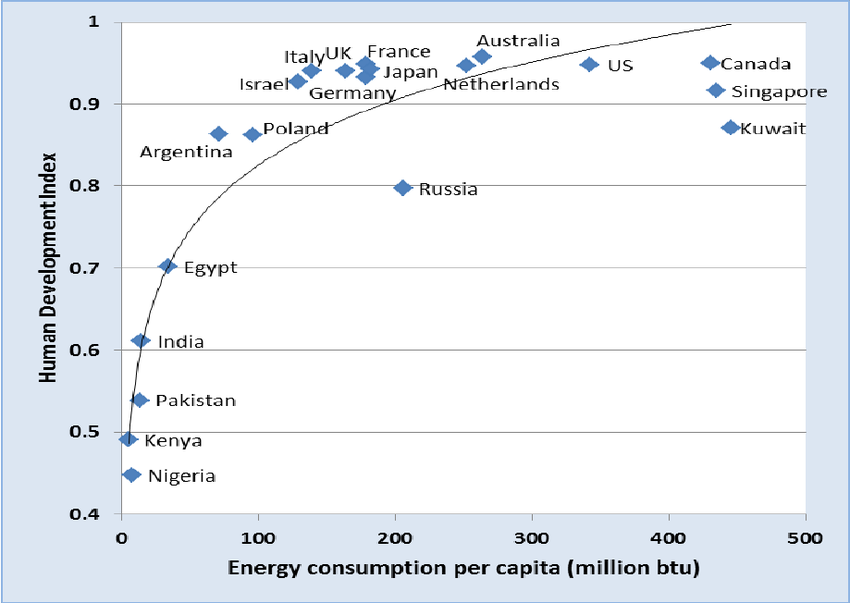
Human Development Index: is a statistical composite of index of life expectancy, education (mean years of schooling completed and expected years of schooling upon entering the education system), and per capita income indicators, which is used to rank countries into four tiers of human development
- Very High HDI,
- High,
- Medium,
- Low
UNDP began a new method of calculating the HDI:
-
Life expectancy is equal to 1 if LE at birth is 85 years, and 0 when LE at birth is 20 years.
-
Education index where , and
-
Income index is 1 when per capital is \75,0000$100$
Finally, HDI is the geometric mean of the previous three normalized indices
- HDI of Nepal: 0.602 (2021)
- HDI of USA: 0.921 (2021)
Energy consumption of Nepal: 425 kg of oil equivalent (2014, google) Energy consumption of USA: 6,804 kg of oil equivlaent (2014, google)
Energy consumption, is a hallmark is a hallmark of industrialization and economic growth, fuels infrastructure development, technological advancements, and access to basic services, elevating living standards and contributing to higher HID scores
Adequate energy supply supports education through digital ools and facilities healthcare services, thus positively impacting HDI’s dimensions
Energy situation in Nepal: ( src: Energy Sector Synopsis Report 2021/2022, Water and Energy Commission Secretariat)
Total consumption : 14.9 million tons of oil equivalent (625 millions GJ)
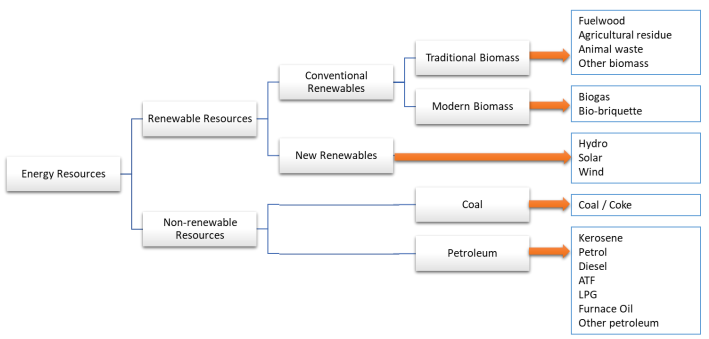
By types:
- Fuelwood: 60.2%
- Agricultural and animal waste: 5.9%
- Petroleum: 13.6%
- Coal: 9.3%
- Electricity: 4.22%
- Renewable (biogas/solar/wind): 2.4%
By uses:
- Residential: 63.2%
- Industrial: 18.3%
- Transportation: 9.0%
- Commercial: 7.0%
- Agriculture: 1.6%
- Others:2.5%
World:
Total energy consumption: 13,865 million tons of oil equivalent
By types:
- Fossil fuels (oil, coal, and natural gas): 84%
- Renewable energy (hydropower, solar, wind, geothermal, and biomass): 16%
By uses:
- Industry: 24%
- Transportation: 14%
- Residential: 10%
- Electricity generation: 42%
Global warming:
Global warming refers to long-term increase in Earth’s average surface tempature due to the accumulation of greenhouse gases in the atmosphere as a prominient conseuences of human activities, primarily burning of fossil fuels (coal, oil and natural gas), deforestation, industrial processes, and other activities that release significant amounts of greenhouse gases into the air
Green houses gases are those gases in Earth’s atmosphere that play a significant role in the greenhouse effect, a natural process that warms the planet.
While the greenhouse effect is necessary for maintaining a habitable change, human activities have led to an increased concentration of these gases, enhancing the greenhouse effect and contributing to global warming.
The global annual temperature increased at an average rate of 0.18C per decade since 1981.
-
CO2: most prevalent anthropogenic greenhouse gas, released primarily through the burning of fossil fuels
-
CH4: released during production and transport of coal, oil and natural gas
-
NO2: emitted from agricultural and industrial activities, burning of fossil fuels and biomass
-
Fluorinated gases: include hydroflurocarbons, perfluorocarbons, etc
Impacts on developing countries:
- Climate vulnerability: less resources to adapt to changing climate conditions, making them vulnerable to extreme weather events
- Agricultural disruption: altered rainfall patterns and temperature increases can harm crop yields, leading to food insecurity
- Water scarcity: changes in precipitation patterns can exacerbate water scarcity, affecting drinking water availability, irrigation and sanitation
- Health risks:
- Sea level rise:
- Loss of biodiversity:
- Economic challenges:
- Migration and conflict:
CDM: The CDM is a United Nations-run carbon offset scheme allowing countries to fund greenhouse gas emissions reducing projects in other countries and claim the saved emissions as part of their own efforts to meet international emission targets.
A CDM project activity might involve, for example, a rural electrification project using solar panels or the installation of more energy-efficient boilers.
It is one of the flexible mechanisms defined in Kyoto protocol. The CDM, was intended to meet two objectives:
- to assist non Annex I countries predominantly developing nations achieve sustainable development and reduce their carbon footprints
- to assist Annex I countries predominantly industrialized nations in achieving compliance with their emissions reduction commitments.
The CDM addressed the second objective by allowing Annex I countries to meet part of their emission reduction commitments under Kyoto Protocol by buying CER units from CDM emissions reduction projects in developing countries.
By 14 September 2012, 4626 projects had been registered by the CDM Executive Board as CDM projects. These projects are expected to result in the issue of 648 million certified emissions reductions.
Fossil Fuels
Fossil fuels are natural resources that were formed from the remains of ancient plants and animals that were buried and compressed over millions of years. The three main types of fossil fuels are coal, oil and natural gas.
Fossil fuels are the primary source of energy in the world, accounting for about 80% of global energy consumption. They are used to generate electricity, heat homes and businesses, and power vehicles.
Nuclear Energy
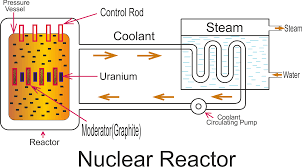
Nuclear energy is the energy released from the nucleus of an atom. It is a very powerful and efficient source of energy, but it also comes with some risks.
Nuclear energy is produced by splitting atoms of uranium or plutonium in a process called fission. This process releases a large amount of energy, which is used to generate electricity.
Just over 4% of global primary energy came from nuclear power. 10% of electricity.
Hydropower
Hydropower is a renewable and sustainable form of energy derived from the graviataional force of falling or flowing water.
It has been harnessed for centuries as a source of mechanical power and, in modern times, as a major contributor of electricity generation.
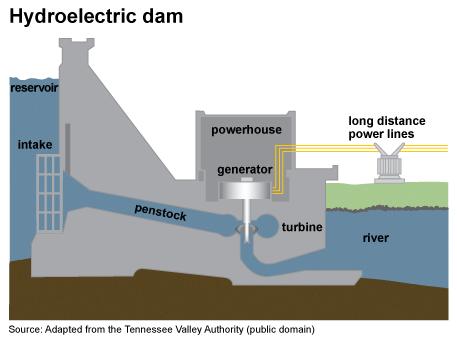
- Water collection: river, streams, and reservoirs collect water from precipitation and runoff, creating a potential energy source
- Water diversion or damming: water flow is controlled by diverting it through turbines or damming it to create a reservoir
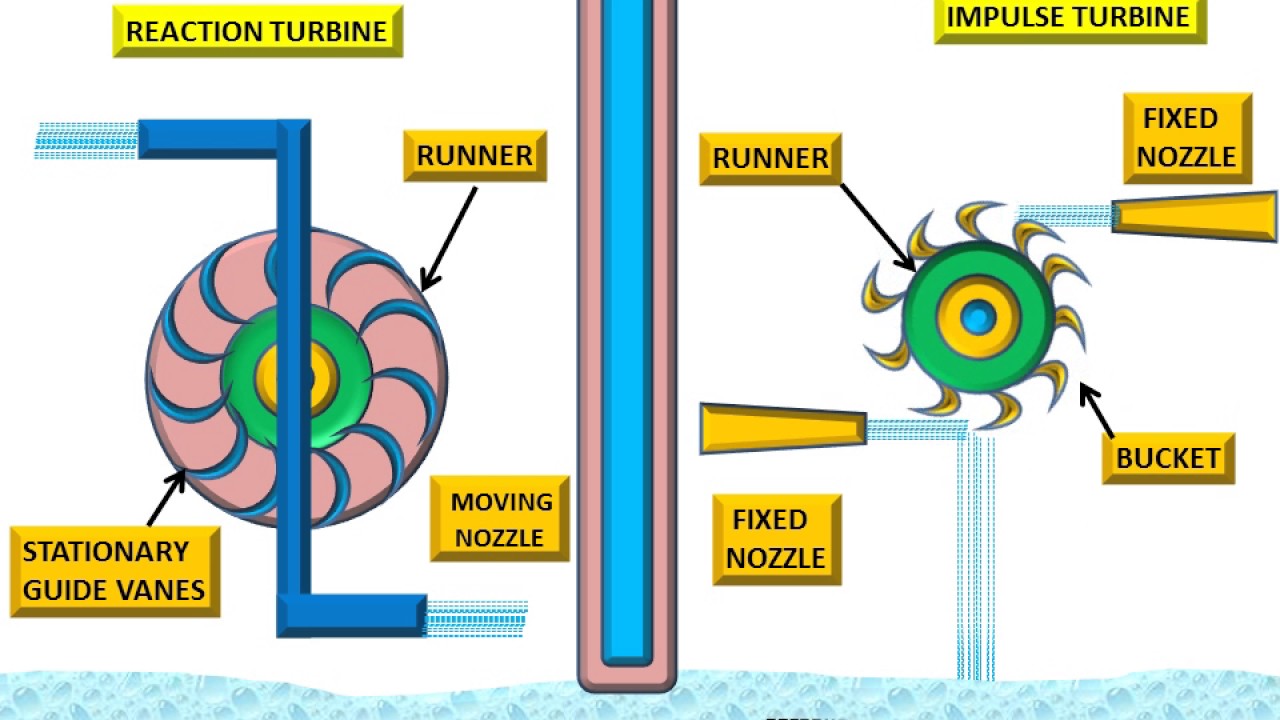
- Turbine and generator: as water is released from a higher elevation, it flows through turbines, causing them to spin, the spinning turbines drive generators, converting mechanical energy into electrical through emf
- Transmission and distribution: is transmitted through power lines to homes, industries, and businesses, contributing to the electrical grid
Calculate the amount of power available from water using following equation:
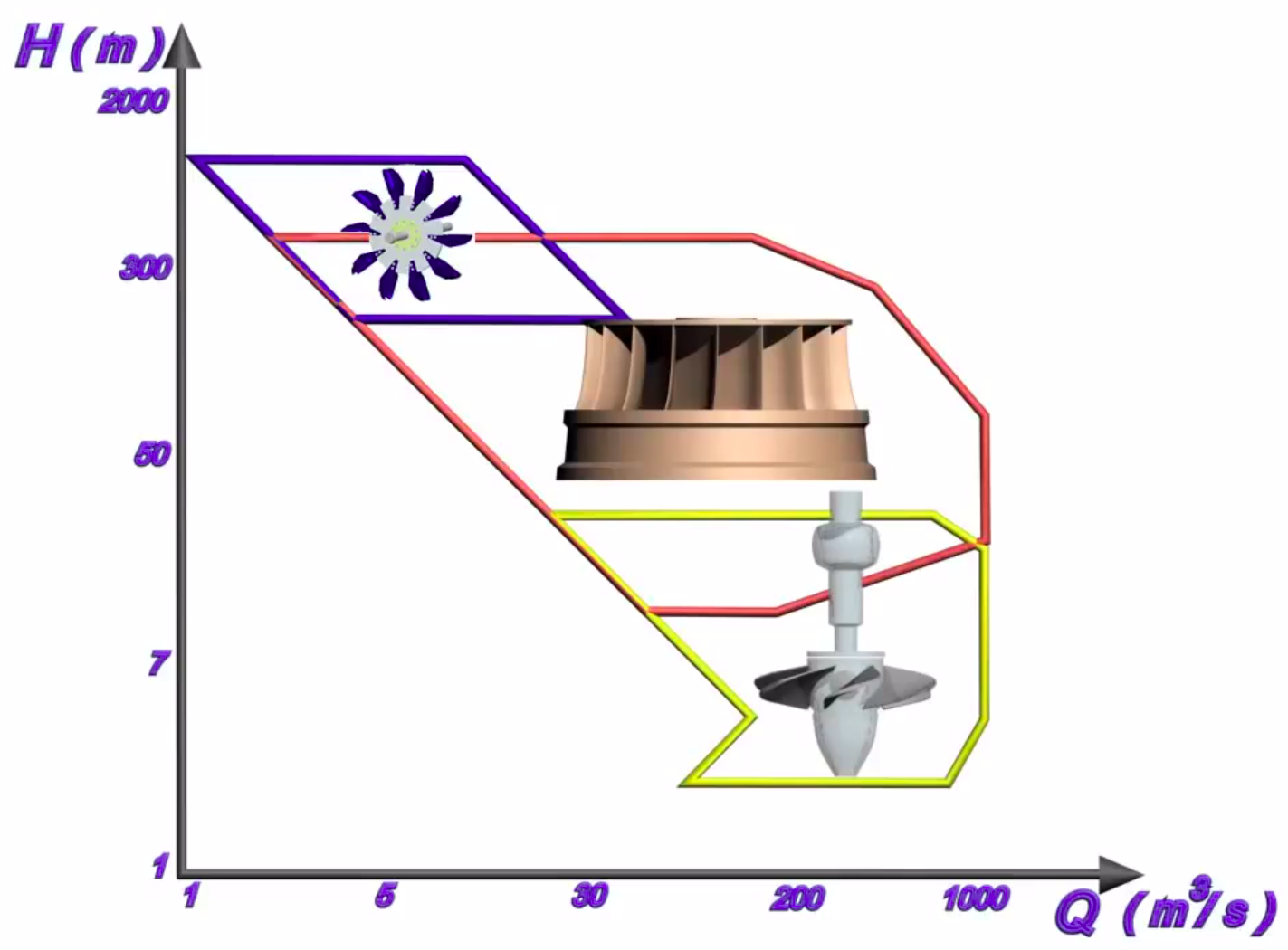
Types of turbines:
Nepal:
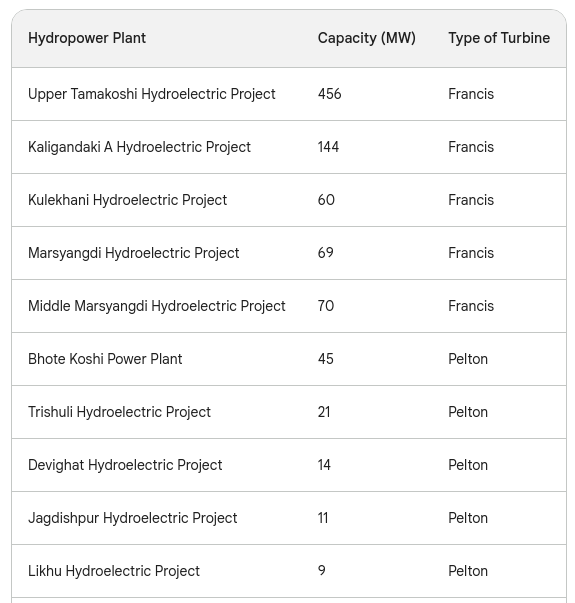
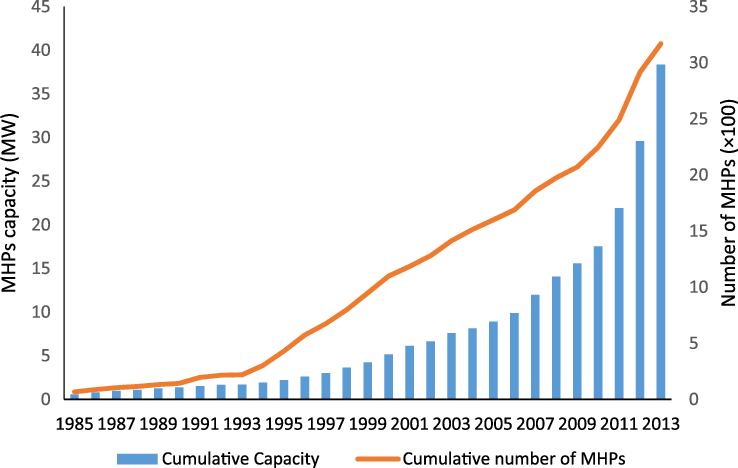
Theoretical hydropower potential: 83,290 MW Technical hydropower potential: 45,610 MW Generating facilities integrated in Nepal power system: 718.62 MW Generating substation capacity in integrated Nepal power system: 1415.1 MA
Solar radiation
Solar energy is remarkable and abundant renewable resource derived from the sun’s radiation, serves as a fundamental driver of various natural processes and can be harnessed to generate electricity and heat for human use.
-
Irradiance, I is defined as the amount of solar radiation per unit time on unit surface area of the earth, W/m
-
Solar constant: Irradiance of the sun on the outer atmosphere when the sun and earth are spaced at 1 AU. The approximate value is . The actual direct solar irradiance at the top of the atmosphere fluctuates by about during a year.
-
Insolation, is the total solar energy received from the sun in a day in a unit surface on the earth. Insolation is largest when the surface directly face perpendicular or normal to the sun. As the angle between the surface and the sun moves from normal, the insolation is reduced in proportion to angle’s cosine. For Nepal the yearly average insolation can be taken around to
-
Peak sun: A one-hour period during which sunlight generates of energy per square meter of surface area. A place that has as average insolation can be said to have peak sun hours.
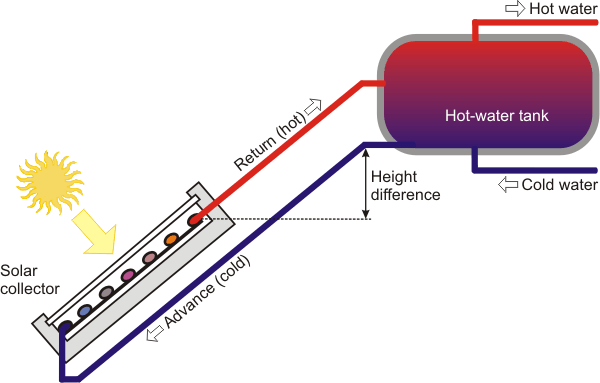
- Solar thermal: focuses sunlight to generate heat, which can be utilized for various applications, including heating, often involves concentrating sunlight into a receiver, where the observed heat raises the temperature of a working fluid.
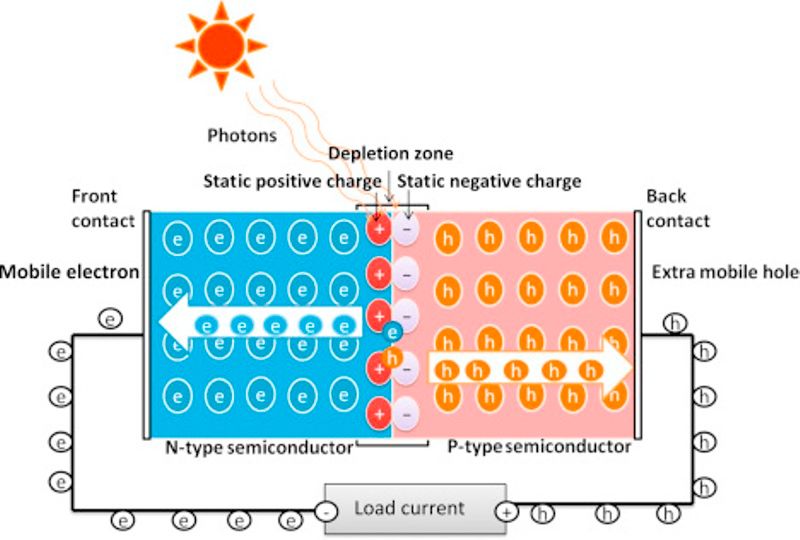
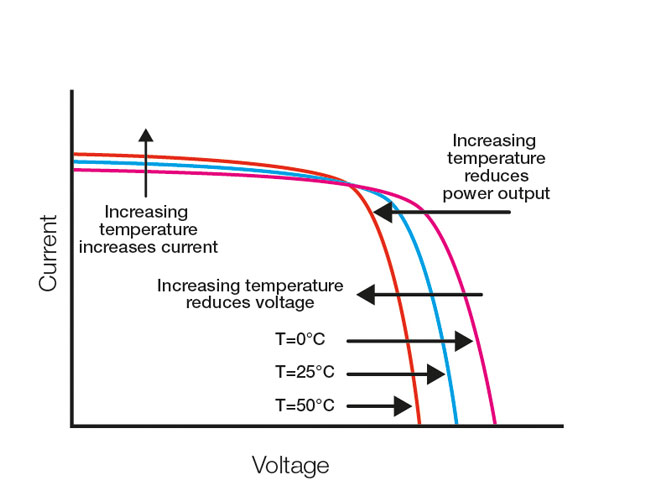
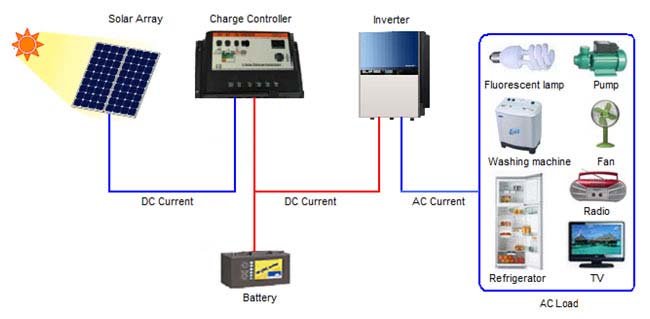
- Solar Photovoltaic: involves the conversion of sunlight into electricity using semiconductor materials in photovoltaic cells.
Wind energy
A form of renewable and sustainable form of power harnessed from the kinetic energy of moving air masses, emerged as a significant contributor to global electricity generation, offering numerous environmental and economic advantages.
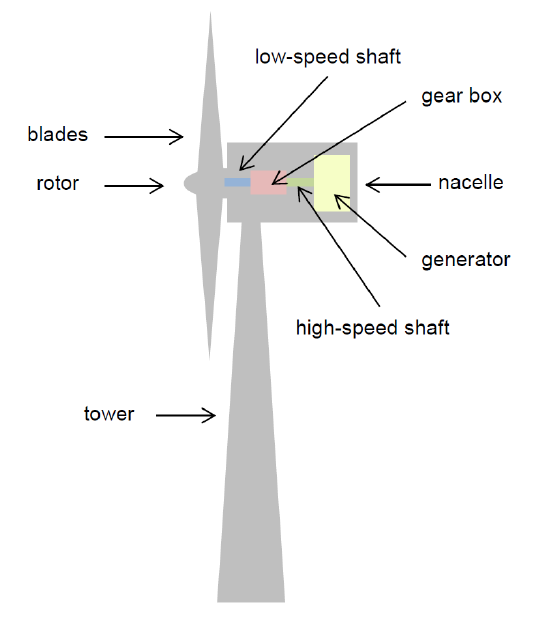 Wind turbines: large rotor blades that capture the energy from the wind, which is transferred to a generator that transforms the mechanical energy into electrical energy through electromagnetic induction
Power conversion: ac generated is then converted to a suitable voltage and frequency for transmission and distribution through power lines
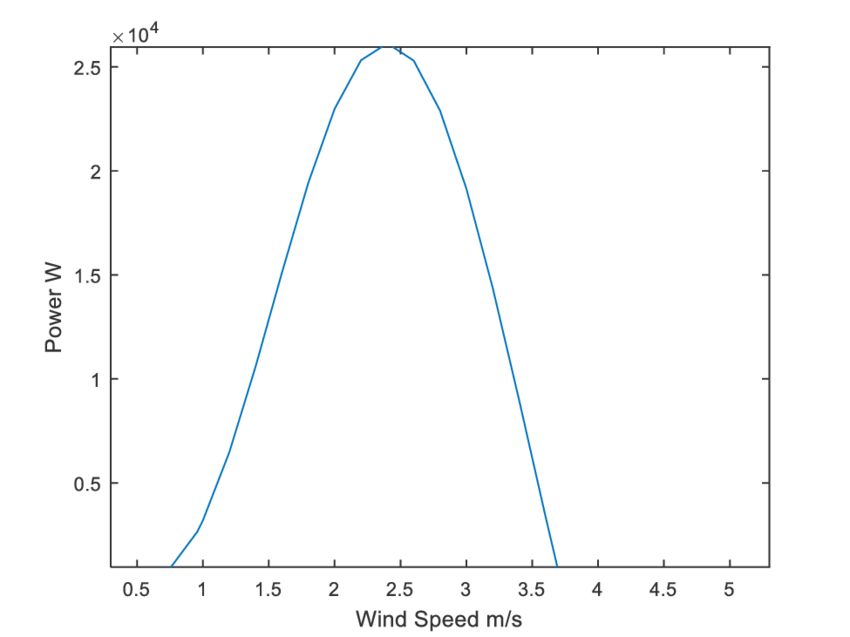
Factors determining wind-energy availability:
Geothermal
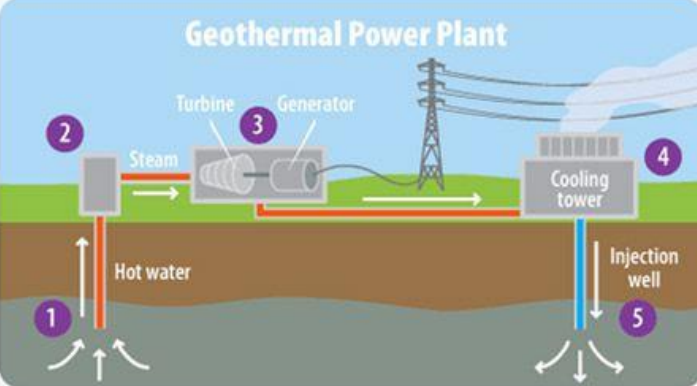
Geothermal energy is thermal energy in the Earth’s crust. It combines energy from the formation of the planet and from radioactive decay.
The resources of geothermal energy ranges from the shallow ground to hot water and hot rock found a few files beneath the Earth’s surface and down even deeper to the extremely high temperature of molten rock called magma
- Generating electricity from earth’s heat
- Geothermal direct use
- Using shallow ground to heat and cool buildings
Hot dry rock:
- EGS is a condition where water is not naturally present at the site. The magma only heats dry rock on top of it.
- In order to tap heat from the dry rock, two wells can be drilled into the rock. One well is used to carry water from the surface down into HDR.
- Once the water is heated, steam created is then channeled up through the second well into a turbine above the surface.
Biomass
Biomass refers to any organic matter derived from living or recently living organisms that can be used as a source of renewable energy.
This organic matter can include various types of biological materials, such as wood, agricultural residues, crop waste, animal manure, and dedicated energy crops like switchgrass or miscanthus.
The initial material may be transformed by chemical and biological processes to produce intermediate bio-fuels such as methane gas, ethanol liquid or charcoal solid.
- Forest waste: saw dust, leaves, shrubs, residues of herbs and herbal products
- Agriculture residues: rice husk, rick straw, rice bran, wheat husk, wheat straw, maize cobs, sugarcane leaves
- Industrial residues: coffee husk, tobacco waste, herbal tea waste
Biogas is an energy-rich gas produced by anaerobic decomposition or thermochemical conversion of biomass. Biogas is primarily methane and carbon dioxide and may have small amounts of hydrogen sulphide, moisture and siloxanes. Processes:
- Thermochemical conversion: direct combustion, pyrolysis (heat in inert condition that produces volatile products and leaves char, liquid distillates and gas)
- Biochemical: alcoholic fermentation (ethanol, used in place of petroleum, produced by microorganisms from sugar), anaerobic digestion (in absence of oxygen, certain organisms produce their foods by reducing to methane)
- Agrochemical method: liquids or solid fuels may be obtained directly from living or fresh cut plants, production of natural rubber
- Physical conversion: physically altering the form of biomass, reducing by chipping, drying, screening
Bio-fuel uses living organisms to produce electricity.
- A microbial fuel cell is a biological electrochemical system that drives an electric current by using bacteria and mimicking bacterial information found in nature
- An enzymatic bio-fuel is a specific type of fuel cell that uses enzymes as catalyst to oxidize its fule, rather than precious metals
Hydrogen fuel
Hydrogen fuel is a clean and efficien energy carrier composed of hydrogen as burnt with pure oxygen used in various applications, with minimal environmental emissions, typically producing only water vapor.
- Involves conversion of hydrogen gas into usable energy through combustion or electrochemical reactions
- Used in propulsion of spacecraft and might potentially be mass produced and commercialized for passenger vehicles and aircrafts
- In a flame of hydrogen as, burning in air, the hydrogen reacts with oxygen to form water and releases energy When hydrogen is burned, the only emission it makes is water vapor, so a key advantage is that is not produced.
Hydrogen has potential to run a fuel cell engine with greater efficiency over an internal combusion engine
Fuel cell:
A fuel cell is an electrochemical cell that converts the chemical energy of a fuel (often hydrogen) and an oxidizing agent (often oxygen) into electricity through a pair of redox reactions
They are different from most batteries in requiring a continuous source of fuel and oxygen usually from air to sustain the chemical reaction, whereas in a battery the chemical energy usually comes from substances that are already present in the battery.
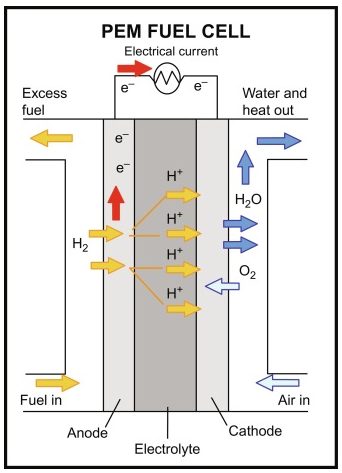
Polymer Electrolyte Membrane (PEM) Fuel Cells: Polymer electrolyte membrane (PEM) fuel cells, also called proton exchange membrane fuel cells, use a proton-conducting polymer membrane as the electrolyte. Hydrogen is typically used as the fuel.
The working principle of PEM is based on the anode-oxidation of hydrogen fuel to protons:
and the reduction of oxygen to water at the cathode:
At 25°C, the theoretical hydrogen/oxygen fuel cell voltage is 1.23 V.
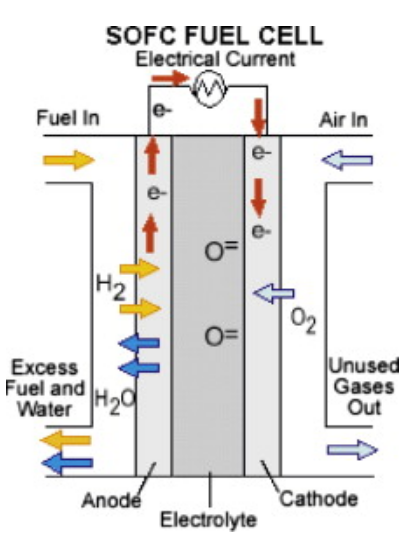
Solid Oxide Fuel Cells (SOFCs): SOFCs offer a low pollution technology to generate electricity electrochemically with high efficiency. Current SOFCs often use cerium gadolinium oxide as an electrolyte and require an operating temperature of 800 to 1000C to minimize ohmic loss.
In SOFCs, the oxygen that has entered the fuel cell at the cathode reacts with the electrons that have traveled from the anode to the cathode through the external circuit to form oxide ions . Oxide ions travel to the anode, react with hydrogen, and form water while releasing electrons. The electrons travel through the external circuit to the cathode and repeat the same reaction process:
Hydrogen production:
- Steam reforming of natural gas
- Coal gasificaiton
- Biomass gasificaiton
- Electrolysis of water
- Thermolysis and thermo-chemical cycles
Hydrogen storage:
- Compressed hydrogen storage: Compressed and stored in high pressure tanks or cylinders
- Liquid hydrogen storage: Can bond with liquid organic compounds a reversible storage medium that is easier to handle and transport than gaseous hydrogen
- Hydride storage: Hydrogen can bond with certain metals, forming metal hydrides, can absorb and release hydrogen gas as needed
- Carbon nanotubes: Carbon nanotubes, graphene can adsorb hydrogen gas on their surfaces, creating reversible storage solution with potential applications in fuel cell vehicles and portable electronics
Impact on environment:
Emission hazard: refers to the potential environmental and health risks associated with the release of pollutants and greenhouse gases into the atmosphere during energy production.
Here’s a table listing some common environmental pollutants and greenhouse gases, along with their sources and their effects on both humans and the environment:
| Pollutant/Greenhouse Gas | Source | Effects on Humans | Effects on Environment |
|---|---|---|---|
| Carbon Dioxide (CO2) | Fossil fuel combustion, deforestation, industrial processes, and more | - Not directly toxic in low concentrations. High levels can cause respiratory problems. | - Traps heat in the atmosphere, leading to global warming and climate change. - Ocean acidification affects marine life. |
| Methane (CH4) | Agriculture, livestock digestion, fossil fuel production, and landfills | - Inhalation of high concentrations can cause asphyxiation. - Explosive in high concentrations. | - Potent greenhouse gas, contributing to global warming. - Contributes to ground-level ozone formation. |
| Nitrogen Oxides (NOx) | Combustion engines, industrial processes, and agricultural activities | - Respiratory issues, especially in vulnerable populations. - Contributes to smog formation. | - Contributes to ground-level ozone formation. - Impacts vegetation and aquatic ecosystems. |
| Sulfur Dioxide (SO2) | Fossil fuel combustion, volcanic eruptions, and industrial processes | - Respiratory problems, especially in individuals with asthma. - Contributes to acid rain. | - Acid deposition harms soil, water bodies, and vegetation. |
| Particulate Matter (PM) | Combustion engines, industrial activities, and natural sources | - Respiratory and cardiovascular problems. - Reduced lung function and premature death. | - Impairs visibility and air quality. - Deposition can contaminate soil and water. |
| Lead (Pb) | Historic use in gasoline, industrial emissions, and lead-based paints | - Neurological and developmental issues, particularly in children. | - Accumulates in soil and water, posing risks to ecosystems. |
| Chlorofluorocarbons (CFCs) | Once used in refrigerants and aerosol propellants | - Adverse effects on human health are limited, but they deplete the ozone layer, indirectly impacting health. | - Deplete the ozone layer, allowing harmful UV radiation to reach the Earth’s surface. |
| Ground-Level Ozone (O3) | Result of chemical reactions between VOCs and NOx in the presence of sunlight | - Respiratory problems, exacerbates asthma and other lung diseases. | - Harmful to vegetation, leading to reduced crop yields and forest damage. |
| Carbon Monoxide (CO) | Vehicle exhaust, industrial processes, residential heating, wood-burning, tobacco smoke, natural events | - Headaches, dizziness, nausea, and can be life-threatening in high concentrations. | - Contributes to air pollution, especially in urban areas. |
AQI index of cities like Kuala Lumpur, Lahore, Delhi, Kathmandu goes above 150 which is unhealthy.
Automotive pollutants:
Pollution caused by internal combustion engines primarily stems from the incomplete combustion of fossil fuels, such as gasoline and diesel, in these engines. Internal combustion engines are commonly found in vehicles (cars, trucks, motorcycles, etc.), power generators, industrial equipment, and various machinery.
Complete: Incomplete: Improper maintenance Poor transportation and road conditions Fraud and corruption Driving habits Tampering
Local pollution: Regional pollution: Global:
How to control?
- Appropriate vehicle emission standard for new and in-use vehicle
- Set stringent emission standards for registration of new vehicles
- Require use of cleaner fuel
- Require mandatory periodic inspection
- Take stringent enforcement actions
- Alternatives: Duel Fuel engines (natural + diesel), EV, Hybrid (multiple power sources)
Hybrid vehicles:
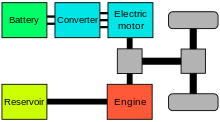
Hybrid vehicles, often referred to simply as hybrids, are a type of vehicle that combines two or more distinct power sources to propel the vehicle.
Typically, these power sources include an internal combustion engine (usually gasoline or diesel) and an electric motor powered by a rechargeable battery. The goal of hybrid vehicles is to improve fuel efficiency, reduce emissions, and provide a more environmentally friendly and energy-efficient alternative to traditional internal combustion engine vehicles.
Types:
- Parallel: In parallel hybrids, both the internal combustion engine and the electric motor are connected to the vehicle’s transmission. They can work together to propel the vehicle or operate independently, depending on driving conditions. Examples include the Toyota Prius.
- Series hybrid: In series hybrids, only the electric motor drives the wheels, while the internal combustion engine functions solely as a generator to recharge the battery or provide additional power when needed. The Chevrolet Volt is an example of a series hybrid.
- Plug-In Hybrid (PHEV): lug-in hybrids have a larger battery capacity than traditional hybrids and can be charged externally from an electric outlet. They can operate solely on electric power for a certain range before the internal combustion engine kicks in. The Toyota Prius Prime is an example of a plug-in hybrid.
Hybrid vehicles represent a transition technology that combines the benefits of internal combustion engines with electric propulsion to reduce environmental impact and improve energy efficiency. They offer a practical solution for individuals looking to reduce fuel consumption and emissions without fully transitioning to all-electric vehicles.
Battery hazard:
Batteries are widely used in various electronic devices, vehicles, and industrial applications due to their portability and ability to store electrical energy. While batteries offer numerous advantages, they also present certain hazards that can be harmful to both humans and the environment.
- Chemical exposure: contain chemicals that can be hazardous if handled improperly, includes acids, alkaline, heavy metals and other toxic substances
- Fire and explosion: certain types of batteries, such as lithium-ion batteries, can be susceptible to thermal runaway or short-circuiting, leading to fires or explosions if they overhead or are damanged.
- Electrical shock: can generate electrical currents, and contact with a live battery can result in electircal shock, more of a concern with high-voltage batteries used in electrical vehicles
- Waste management: disposing challenging due to their diverse chemistries and types
- Transportation hazards: heavy weight, there is a risk of accidents that could lead to leaks or other hazards
Protection?
- Proper storage
- Safe handling: goggles, face shield, appron
- Recycling and disposal
- Transportation precautions
- Recharge in safe location
Nuclear hazard: refers to the potential dangers and risks associated with the release of radioactive materials from nuclear facilities accidents or incidents
Can have significant short-term and long-term effects on human health, the environment, and socio-economic systems
Globally, there have been at least 99 (civilian and military) recorded nuclear power plant accidents from 1952 to 2009.
Sources:
- Natural: cosmic rays from outer space, radioactive rocks, air, water
- Anthropogenic: nuclear power plants, accidents, X-rays, diagnostic kits
Short-term effects
- Radiation exposure: high levels of ionizing radiation from a nuclear event can lead to acute radiation sickness, nausea, vomiting, diarrhea
- Bleeding and organ failure:
- Evacuation and displacement:
- Contamination:
- Hair loss
- Poor wound healing
Long-term effects:
-
Cancer and genetic effects: risk of cancer, particularly thyroid, lung, and leukemia
-
Cardiovascular disease, thyroid disorders
-
Environmental impact:
-
Economic consequences:
-
Stigma and physiological impact:
Examples:
- Chernobyl disaster in 1986: in Ukraine released a massive amount of radioactive materials into the environment, release of radioactive materials lasted for 10 days
- Fukusima Daiichi disaster 2011, Japan over 20,000 dead or missing
Energy storage and distribution
Energy storage is the process of capturing energy produced or generated at one time, storing it in a specific form, and then using it at a later time when it is needed.
Energy storage plays a pivotal role in balancing the supply and demand of electricity, especially in renewable energy systems where energy generation can be intermittent (e.g., solar and wind power). It allows for the integration of renewable energy sources into the grid and provides reliability and stability to energy systems.
Complications when storing energy include efficiency losses, high costs, environmental impacts, safety concerns, and challenges in grid integration and scalability. The choice of storage technology depends on the specific application and energy source.
Characteristics of energy storage:
- Energy density: refers to the amount of energy that can be stored in a given volume or mass of an energy storage device.
- Discharge time: indicates refers to the period of time over which an energy storage device can releases its energy.
Properties:
- High energy density
- Less discharge time
- Portable and mobile
- Lighter in weight
- Maintainable
- Economic
- Long life
- Fast recharge
Forms of storage:
- Chemical: hydrogen, bio-fuels, hydrogen peroxide, liquid nitrogen
- Biological: starch, glycogen
- Electrochemical: batteries
- Electrical: capacitor, super capacitors, super conductors
- Thermal: ice storage, solar pond, fireless locomotive, molten salt
- Mechanical: flywheel energy storage, compressed air energy storage, gravitational potential
Batteries:
Batteries are energy storage devices consisting of one or more electrochemical cells designed to convert stored chemical energy into electrical energy.
Operations:
- Batteries operate based on redox reactions
- During the charging process, cations (positively charged ions) are reduced at the cathode (negative electrode), while anions (negatively charged ions) are oxidized at the anode (positive electrode)
- These redox reactions involve the transfer of electrons between the anode and cathode.
- When a battery is discharged, the redox reactions are reversed.
- The chemical reactions that occur during charging and discharging lead to a flow of electrons and ions within the battery.
- This electron flow results in the generation of EMF or voltage across the battery terminals
- The voltage produced by the battery can be harnessed to power electronic devices or perform electrical work.
Types:
- Disposal
- Rechargeable
Nickel Batteries (Ni-Cd & Ni-MH): Nickel batteries, including Nickel-Cadmium (Ni-Cd) and Nickel-Metal Hydride (Ni-MH) batteries, are rechargeable energy storage devices that use nickel-based chemistries.
Lead-Acid Battery: A lead-acid battery is a common type of rechargeable battery that uses lead dioxide and sponge lead in an acid solution as electrodes.
Lithium-Ion Battery (Li-ion): Lithium-ion batteries are rechargeable energy storage devices known for their high energy density, longer lifetime, and efficiency. They use lithium as a key component in their electrodes and electrolytes and are widely used in portable electronics, electric vehicles, and more.
| Property | Definition | Nickel Batteries (Ni-Cd & Ni-MH) | Lead-Acid | Lithium-Ion (Li-ion) |
|---|---|---|---|---|
| Energy Density (Wh/kg) | Energy storage capacity per unit mass | 35-120 Wh/kg | 30-50 Wh/kg | 150-200+ Wh/kg |
| Lifetime (Charge Cycles) | Number of charge and discharge cycles before capacity loss | ~300-500 cycles | ~300 cycles | 300-500+ cycles |
| Efficiency | Percentage of energy retained during charge and discharge | About 70-80% | About 70-85% | About 80-90% |
| Cost | Relative expense of battery type | Moderate | Moderate | Moderate to High |
| Toxicity | Presence of harmful substances | Highly Toxic (Ni-Cd), Less Toxic (Ni-MH) | Lead is Toxic | Generally Non-Toxic |
| Environmental Impact | Impact on the environment | Harmful (Ni-Cd), Less Harmful (Ni-MH) | Harmful | Relatively Low Impact |
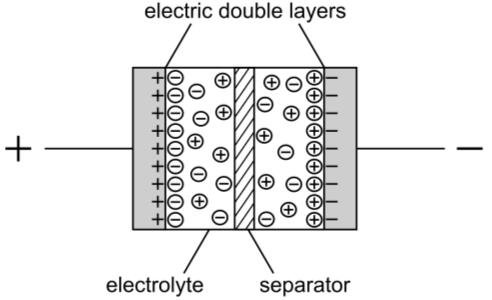
Super capacitors: Super capacitors work on the principle of electrostatic energy storage. They store energy by separating positive and negative charges on the surface of electrodes.
Super capacitors are valued for their rapid charge and discharge capabilities, high power density, and long cycle life.
They typically stores 10 to 100 times more energy per unit volume or mass than electrolytic capacitor.
Energy stored is given by:
- A super capacitor typically consists of two porous electrodes usually made of activated carbon or other conductive materials, separated by an electrolyte.
- The electrodes have a large surface area, which is essential for storing a significant amount of electrical charge.
- When voltage is applied across the super capacitor, ions from the electrolyte accumulate on the surface of the electrodes.
- This electrostatic charge separation stores energy in the form of an electric field.
- Unlike batteries, super capacitors do not involve chemical reactions, which allows for very fast charge and discharge cycles.
Key characteristics:
- High power density
- Long cycle life
- Rapid charge and discharging
- Low voltage
- Low energy density
Smart grid system:
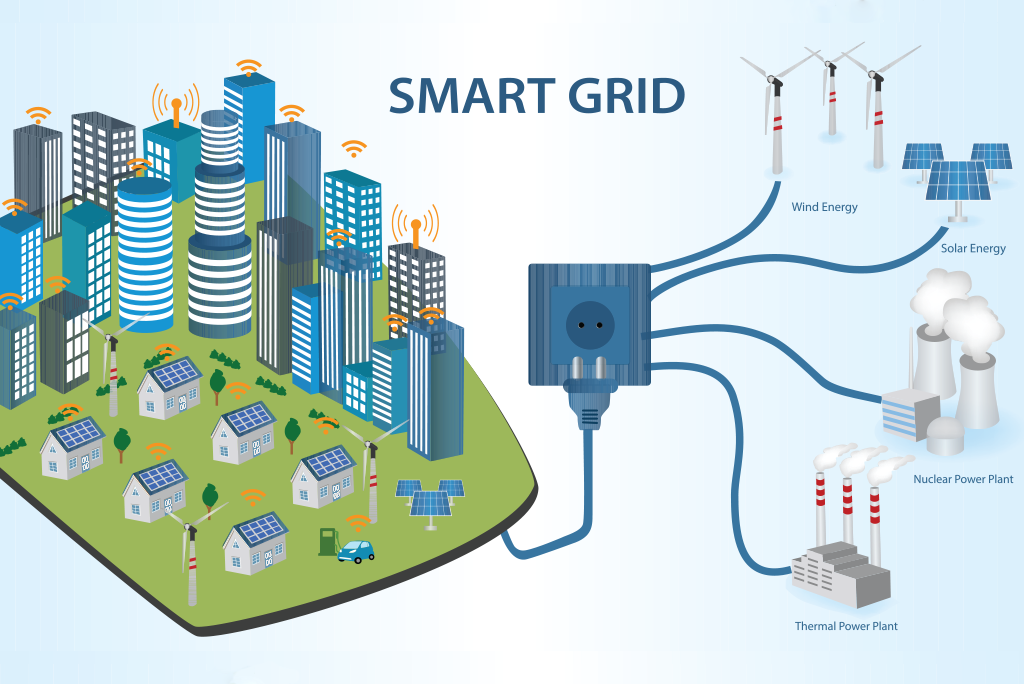
A smart grid is a modern electrical grid that uses advanced technologies, communication systems, and automation to enhance the efficiency, reliability, and sustainability of electricity generation, distribution, and consumption.
Unlike traditional grids, smart grids integrate digital intelligence into every aspect of the electricity system, allowing for better management and optimization of energy resources.
Smart grids co-ordinate the needs and capabilities of all generators, grid operators, end users and electricity market stakeholders to operate all parts of the system as efficiently as possible, minimising costs and environmental impacts while maximizing system reliability, resilience, flexibility and stability.
Key components:
- Advanced metering infrastructure (AMI)
- Communication networks, IoTs
- Grid sensors
- Distributed energy resources (DERs)
- Grid automation
- Advanced distributed operations (ADO)
- Advanced transmission operations (ATO)
Characteristics:
- Enhanced reliability
- Improved efficiency
- Integration of renewable energy
- Reduced environmental impact
- Enhanced security
- Consumer empowerment
Nepal has a total of 15 grid-connected hydropower plants. Among them, KUKL and TUTH are two of the largest hydropower plants.
KUKL Hydropower plant: The KUKL Hydropower Plant is a 144 MW run-of-the-river hydropower plant located on the Upper Kulekhani River in the Makawanpur District of Nepal. The plant was commissioned in 2002 and is operated by the Nepal Electricity Authority (NEA). The KUKL Hydropower Plant is one of the most important hydropower plants in Nepal, providing approximately 10% of the country’s total electricity generation.
TUTH Hydropower Plant The TUTH Hydropower Plant is a 900 MW run-of-the-river hydropower plant located on the Trishuli River in the Rasuwa District of Nepal. The plant is currently under construction and is expected to be commissioned in 2024. The TUTH Hydropower Plant will be the largest hydropower plant in Nepal and is expected to play a major role in meeting the country’s growing electricity demand.
How to implement smart grids?
- Smart meters: Smart meters could be installed at homes and businesses to collect real-time data on energy consumption. According to a study by the NEA, smart meters could help to reduce technical and non-technical losses by up to 10%.
- Grid sensors: Grid sensors could be installed throughout the transmission and distribution system to monitor the condition of the grid and to identify any potential problems.
- Advanced control systems: Advanced control systems could be implemented to optimize the operation of the grid and to improve its efficiency and reliability. For example, advanced control systems could be used to coordinate the generation of electricity from hydropower plants and other renewable energy sources.
- New smart grid applications: New smart grid applications, such as demand response programs and V2G technology, could be developed to help manage energy consumption and to improve the efficiency of the grid.
- Integration of DERs: DERs, such as solar panels and battery storage systems, could be integrated into the grid to provide additional flexibility and reliability.
Distributed generation (DG) is the generation of electricity at or near the point of consumption, rather than at a centralized power plant. DG can be used to generate electricity from a variety of renewable energy sources (RETs), such as solar, wind, and hydropower.
- Reduced reliance on imported fossil fuels
- Improved grid reliability
- Reduced greenhouse gas emissions
- Increased access to electricity
- Job creation
Specifics of DG with RETs in Nepal:
- Solar microgrids are being used to provide electricity to remote villages that are not connected to the grid. For example, the Nepal Electricity Authority (NEA) is developing a number of solar microgrids in the Humla district.
- Rooftop solar panels are being installed on homes and businesses to generate electricity for self-consumption. For example, the NEA is offering a subsidy for the installation of rooftop solar panels.
- Small hydropower plants are being built on rivers and streams to generate electricity for local communities. For example, the NEA is developing a number of small hydropower plants in the rural areas of Nepal.